Swedish Road Ferries: Trafikverket Routes and Fleet
Sweden’s road-ferry network links islands, peninsulas, lake communities and coastal roads where bridges would be impractical or environmentally intrusive. Trafikverket Färjerederiet operates scheduled crossings across the country, from short cable-ferry routes to exposed archipelago and lake passages carrying cars, buses, freight and passengers.
Official Trafikverket ferry information ↗The Swedish Road-Ferry System
A road ferry is effectively a floating continuation of the public road. Many crossings are free of charge and operate according to published timetables. Some routes require the traveller to call or signal for the ferry, while others run continuously or at frequent intervals during busy periods.
The network serves very different environments: Baltic archipelagos, large inland lakes, narrow rivers, western-coast sounds and island communities. The vessels are therefore not identical. Capacity, draft, ice strength, propulsion and loading arrangements are selected for the particular route.
Planning a Road-Ferry Journey
Understanding Trafikverket’s Ferry Fleet
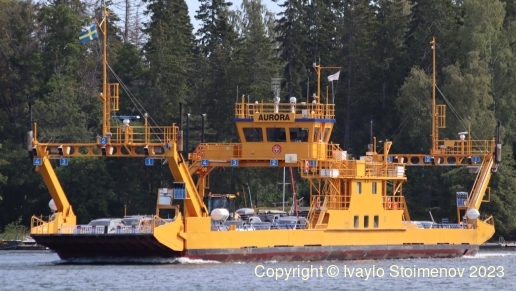
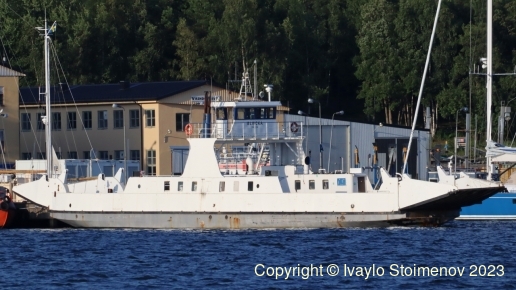
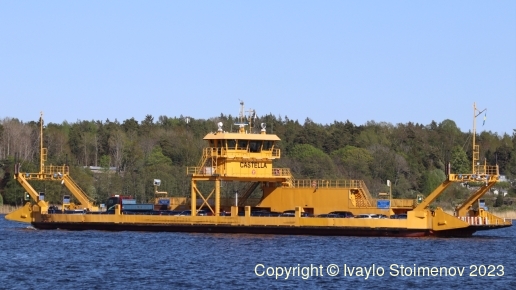
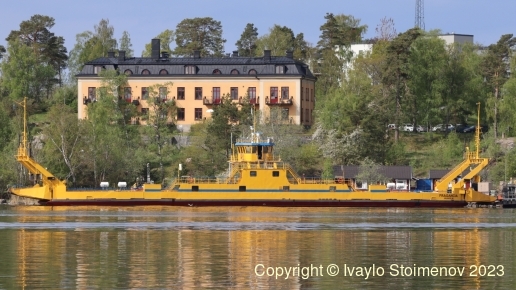
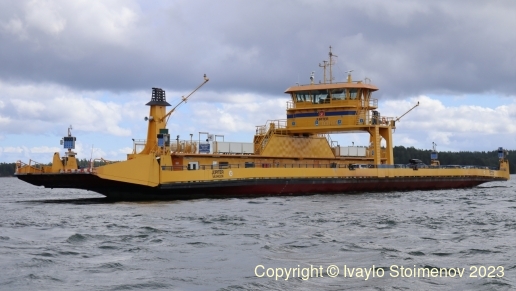
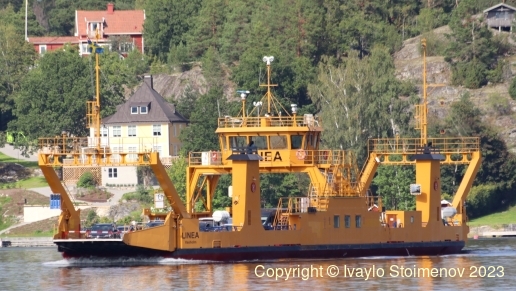
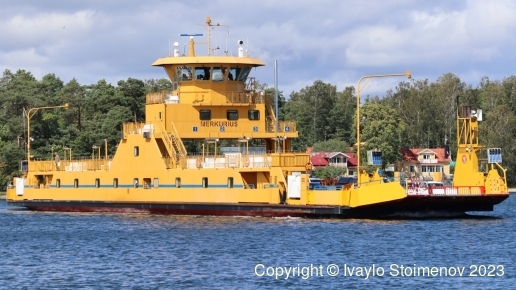
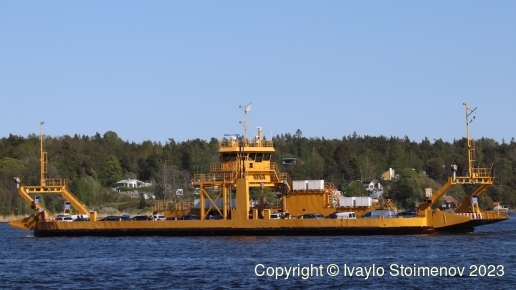
The fleet includes double-ended vehicle ferries, cable ferries and larger free-sailing vessels. Double-ended ferries can load at one end and leave from the other without turning. Cable ferries follow a fixed line across a river or narrow sound. Larger routes require stronger ships with more vehicle capacity, passenger accommodation and better performance in wind, waves or ice.
Vessel allocation changes as ferries are overhauled, replaced or moved between routes. The illustrated cards below show ferries for which the howmany.travel archive already has photographs. The wider index also includes additional named vessels identified in public sources; users should verify present assignment and operational status on official pages.
Swedish Road Ferries
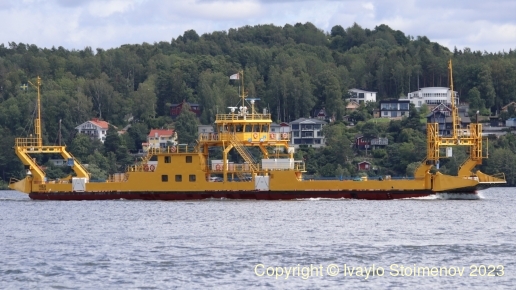
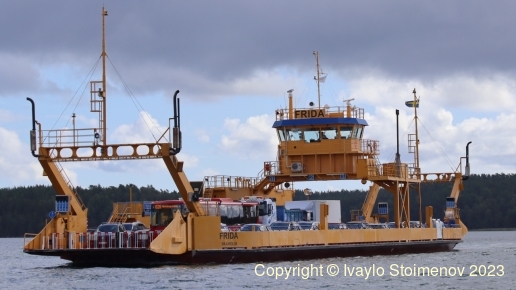
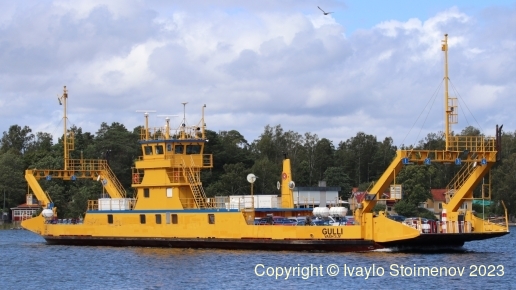
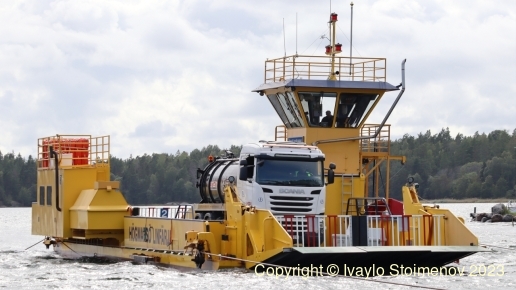
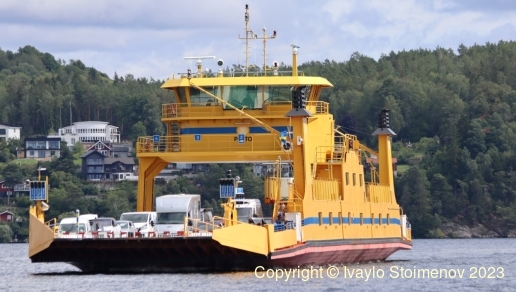
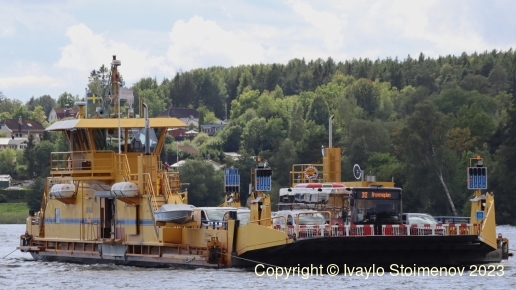
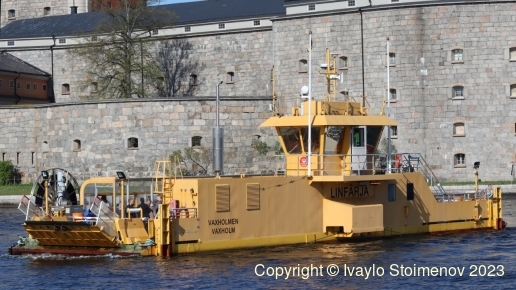
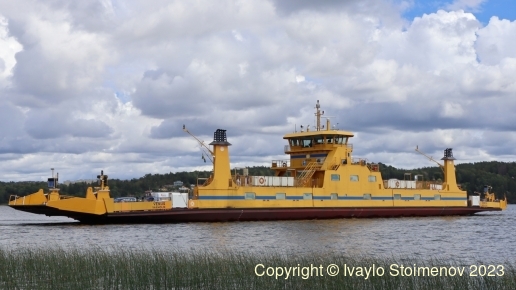
All Trafikverket Road-Ferry Lines in Sweden
Every card below links directly to the corresponding official Trafikverket route page, where current timetables, traffic status and route-specific instructions are published.
Adelsöleden
Munsö–Adelsö, Mälaren
Timetable and traffic information ↗Ammeröleden
Stavre–Ammer, Revsundssjön
Timetable and traffic information ↗Arnöleden
Oknö–Arnö, western Mälaren
Timetable and traffic information ↗Aspöleden
Karlskrona–Aspö
Timetable and traffic information ↗Avanleden
Avan road-ferry route
Timetable and traffic information ↗Björköleden
Björkö road-ferry route
Timetable and traffic information ↗Blidöleden
Yxlan–Blidö
Timetable and traffic information ↗Bohedenleden
Boheden road-ferry route
Timetable and traffic information ↗Bohus-Malmönleden
Mainland–Bohus-Malmön
Timetable and traffic information ↗Bolmsöleden
Sunnaryd–Bolmsö
Timetable and traffic information ↗Ekeröleden
Ekerö road-ferry route
Timetable and traffic information ↗Furusundsleden
Furusund–Yxlan
Timetable and traffic information ↗Fårösundsleden
Gotland–Fårö
Timetable and traffic information ↗Gräsöleden
Öregrund–Gräsö
Timetable and traffic information ↗Gullmarsleden
Across Gullmarsfjorden
Timetable and traffic information ↗Hamburgsundsleden
Hamburgsund road-ferry route
Timetable and traffic information ↗Hemsöleden
Mainland–Hemsön
Timetable and traffic information ↗Holmöleden
Norrfjärden–Holmön
Timetable and traffic information ↗Håkanstaleden
Håkansta road-ferry route
Timetable and traffic information ↗Högsäterleden
Högsäter road-ferry route
Timetable and traffic information ↗Hönöleden
Lilla Varholmen–Hönö
Timetable and traffic information ↗Isöleden
Isö road-ferry route
Timetable and traffic information ↗Ivöleden
Barum–Ivö
Timetable and traffic information ↗Kornhallsleden
Kornhall–Brunstorpsnäs
Timetable and traffic information ↗Ljusteröleden
Östanå–Ljusterö
Timetable and traffic information ↗Lyrleden
Mainland–Lyr
Timetable and traffic information ↗Malöleden
Malö road-ferry route
Timetable and traffic information ↗Nordöleden
Northern Gothenburg archipelago
Timetable and traffic information ↗Oxdjupsleden
Värmdö–Rindö across Oxdjupet
Timetable and traffic information ↗Röduppleden
Rödupp road-ferry route
Timetable and traffic information ↗Skanssundsleden
Mörkö–Ekerö/Skanssundet
Timetable and traffic information ↗Skenäsleden
Skenäs road-ferry route
Timetable and traffic information ↗Stegeborgsleden
Across Slätbaken at Stegeborg
Timetable and traffic information ↗Sund-Jarenleden
Sund–Jaren
Timetable and traffic information ↗Svanesundsleden
Stenungsund area–Orust
Timetable and traffic information ↗Tynningöleden
Norra Lagnö–Tynningö
Timetable and traffic information ↗Vaxholmsleden
Vaxholm–Rindö
Timetable and traffic information ↗Vinöleden
Vinön road-ferry route
Timetable and traffic information ↗Visingsöleden
Gränna–Visingsö
Timetable and traffic information ↗Ängöleden
Ängö road-ferry route
Timetable and traffic information ↗Cable Ferries, Free-Sailing Ferries and Electrification
Cable ferries
Cable ferries are guided or propelled along a fixed cable. They are well suited to short crossings because they need limited navigational equipment and can be highly energy-efficient. Other traffic must respect the cable and the ferry’s operating corridor.
Double-ended free-sailing ferries
A double-ended ferry has ramps and propulsion arrangements that allow it to operate efficiently in either direction. This reduces manoeuvring time and supports rapid loading and unloading on busy road connections.
Electric and hybrid operation
Electric drive is particularly useful on predictable short routes with regular access to shore power. It reduces local exhaust emissions and noise. Diesel or hybrid systems remain important where range, winter conditions or route exposure require greater operational reserve.
Loading, Vehicle Safety and Conduct Onboard
Drivers should follow crew instructions, stop in the indicated position, apply the parking brake and respect any requirement to remain in or leave the vehicle. Passengers should avoid standing near ramps or moving vehicles. Cyclists and pedestrians must use the space indicated by the crew.
Large vehicles can affect loading order and weight distribution. Dangerous goods may be restricted to specific departures. Weather, ice and technical issues can change the timetable at short notice, which is why the official traffic map and route page remain the authoritative source.
Official Trafikverket Ferry Links
All routes, timetable access and general travel information.
Open Trafikverket ferry traffic ↗Current traffic status, changes and disruption information.
Open traffic information ↗Official guidance for a safe and smooth road-ferry crossing.
Read official guidance ↗